Three Reasons to Stop Using Powerful Antibacterial Cleansing Products
Stick with good ol’ soap and water OR consider making your own cleaning products instead. And, if you prefer buying products, read on for a tip you won’t want to miss!
Have you been noticing lately that storeowners haven’t been able to keep antibacterial household products or disinfectant soaps on the shelves? Before you begin washing your hands or wiping surfaces with just any product, be certain you know what’s in it and whether it’s the best product for you to be using in your home.
Three Reasons to Not Use Powerful Antibacterial Cleansing Soaps:
- Antibacterial soap may include harmful chemicals, such as triclosan and triclocarban. These chemicals have no proven health benefits and were banned by the FDA in 2016. Studies have shown that these harmful chemicals alter the way some hormones work in the body; allergies may also result. Unfortunately, during the coronavirus pandemic, there are some companies taking advantage of the increased usage of hand sanitizer and putting lives at risk by continuing to sell products containing triclosan and triclocarban.
- Antibacterial soap contributes to the rise of antibiotic-resistant bacteria.
- Antibacterial soap is effective against bacteria, but it isn’t more powerful against any virus than regular soap and water. Everyday items that may already be in your cabinet are safe and effective, especially when combined with essential aroma oils. There’s no need to spend five to ten dollars on kitchen and bathroom cleaning products that contain harmful chemical additives. For me and for most of my clients, it’s more enjoyable, less expensive, and free of potential danger to make homemade cleaning products. You choose.
Easy-to-Make, Safe, and Inexpensive Cleaning Products
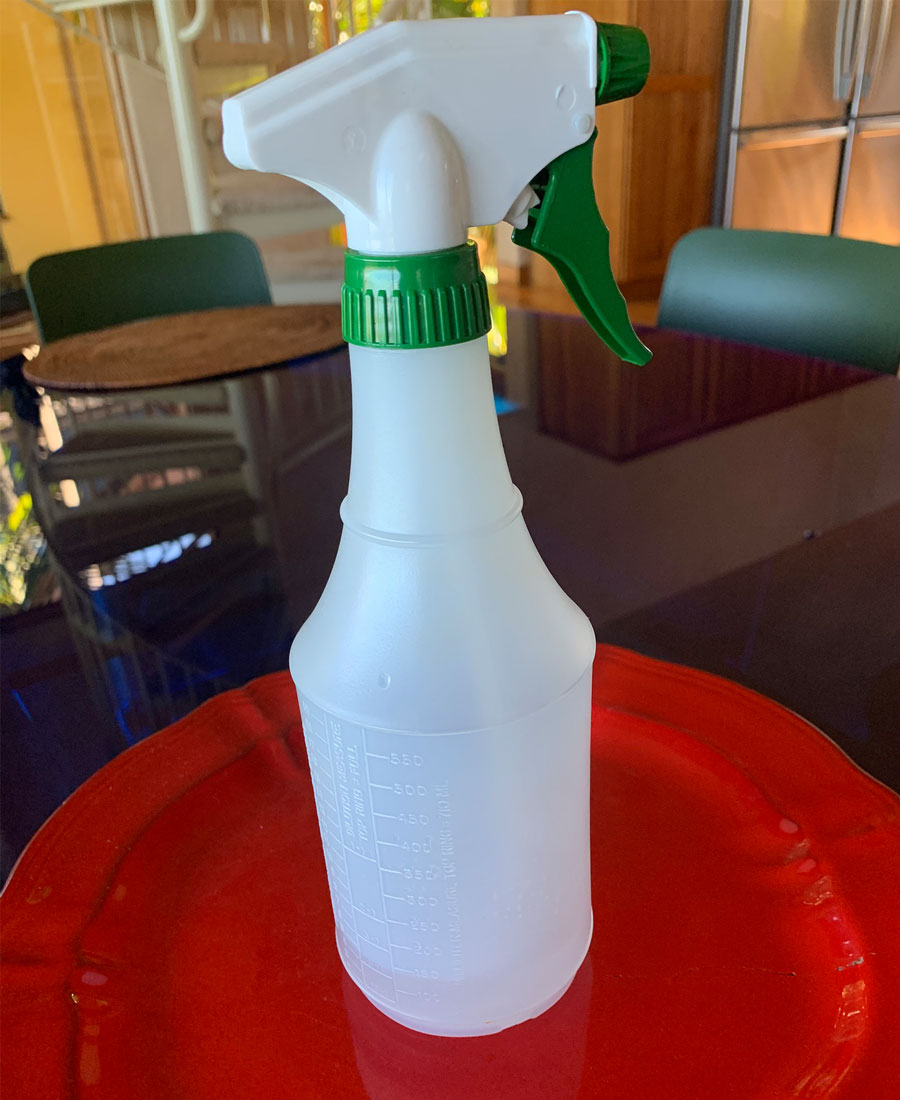
Rather than using store-bought products, recycle spray bottles and make your own cleaning products, using the techniques below.
Homemade Aromatherapy All-Purpose Household Cleaner
This all-purpose cleaner is excellent for cleaning counters, cabinets, sinks, tiles, granite, and wood. It works well on all surfaces, except for marble.
- Fill a quart-sized spray bottle approximately ¾ of the way full with filtered water.
- Add 30 drops each of lemon and orange essential oil.
- Add ¼ cup of rubbing alcohol and shake well. The alcohol diffuses the oils into the water.
(Alcohol-based hand sanitizers are smart choices too. They’re portable, yet they’re drying to the skin; when given the choice I go for soap and water.)
Homemade Glass Cleaner
This homemade spray works better than any of the store-bought glass cleaners I’ve tried, plus it smells good. It’s excellent for cleaning tables, mirrors, windows, and everything stainless steel; it provides a streak-free shine. Use it with a clean, soft cotton or paper towel.
- Pour ¼ cup white vinegar into a quart-sized spray bottle.
- Add 20 drops peppermint or spearmint essential oil.
- Fill the bottle up the rest of the way with filtered water and shake well.
Homemade Aromatherapy Cleaner
This wonderful aromatherapy spray is excellent for cleaning toilets, sinks, drawers, and anything you want to sanitize.
- Make a full batch of Homemade Glass Cleaner (recipe above) in a quart-sized spray bottle.
- Add 10 drops of each of the following essential oils: cinnamon, clove, eucalyptus, and oregano.
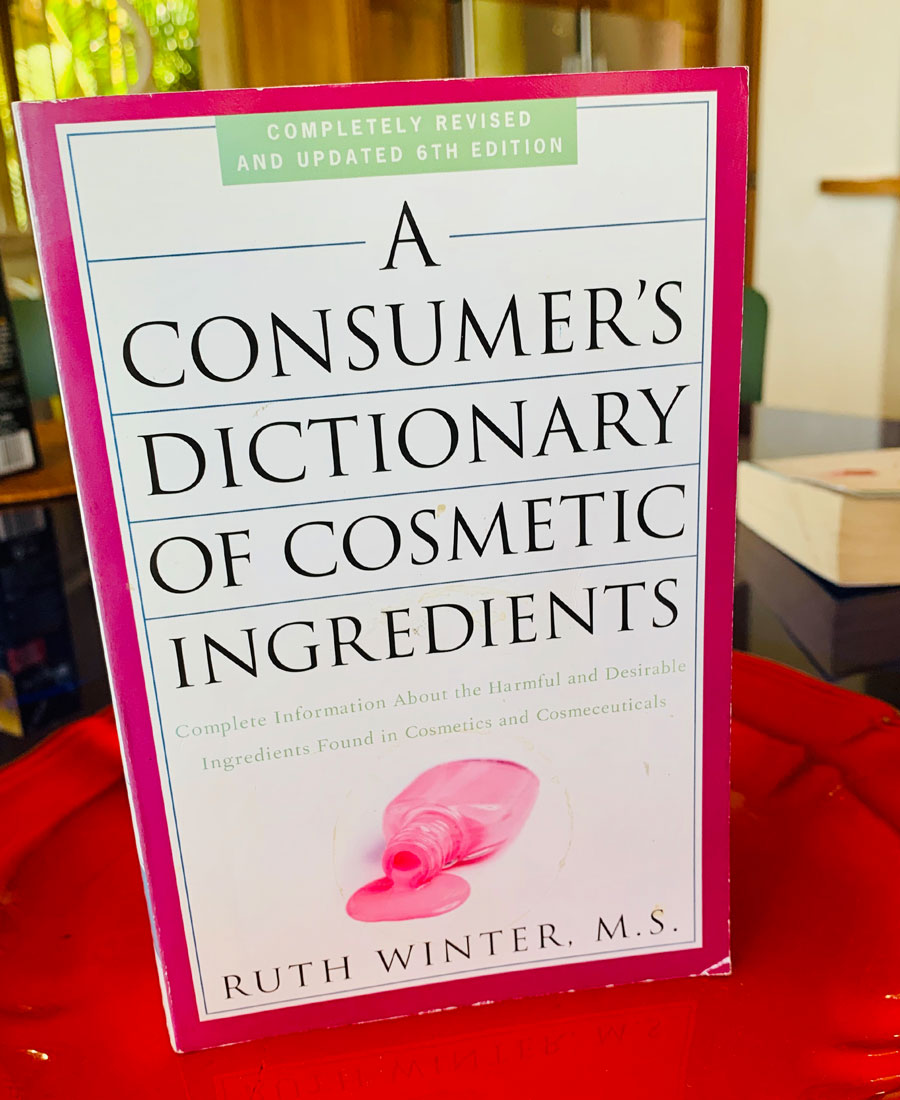
I hope you take pleasure in making and using your own homemade products. Try them out for yourself and see the results. And if you prefer buying cleaning products, consider consulting one of the precious tools I rely on to stay healthy and safe: A Consumer’s Dictionary of Cosmetic Ingredients by Ruth Winter, M.S. This book is written in everyday language. It provides up-to-date facts about the safety and side effects of more than 12,000 ingredients that often end up in products.
I’d enjoy hearing your thoughts. If you’d like, drop me a note; there’s an email link on my contact page.
Love,
Cheryl
Cheryl Sindell
Global Nutritionist, Consumers’ Reporter, and Weight-loss Mentor. I studied at The University of California, Los Angeles. The American University of Complementary Medicine in Los Angeles, California, and The Ayurvedic Institute in Albuquerque, New Mexico.
Simple Social Sharing
Use these social buttons to easily share this article with friends & family!